
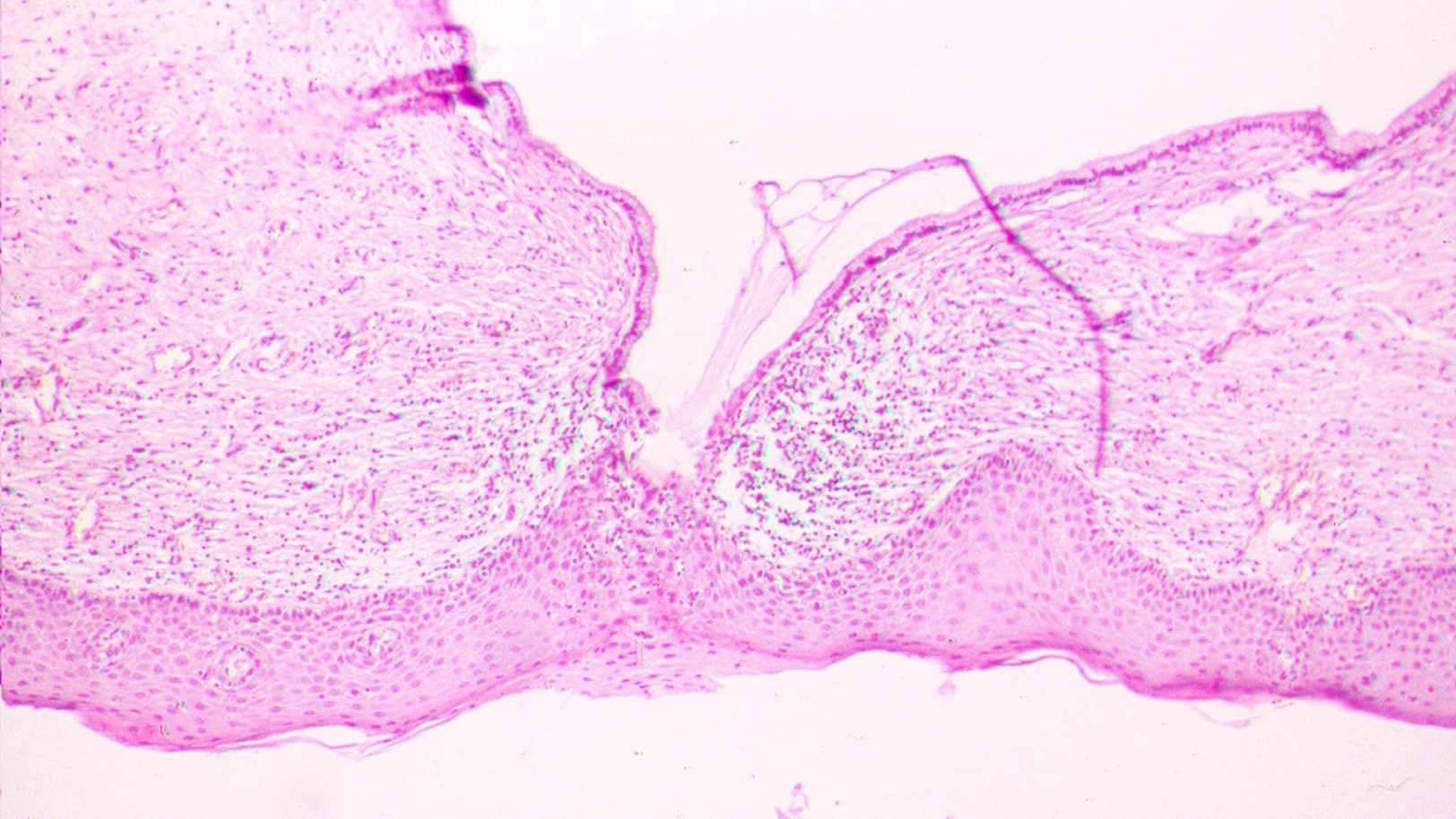
What is histology?
Histology is a laboratory test in which human tissues and organs are examined under a microscope. Histology is based on specimens obtained through procedures such as endoscopy, colonoscopy, and colposcopy, or through surgical operations.
Why is histological examination important?
The final histological examination result is the most important test that confirms the diagnosis of the disease and determines the patient's further examination and treatment tactics. Histological examination can distinguish benign tumors from malignant ones, and it is also very important for determining the stage and classification of cancer.
Other diseases for which histological examination is important for diagnosis:
- Infectious diseases (tropical parasitic infections, H. pylori infection, and necrotizing fasciitis);
- Inflammatory diseases (sarcoidosis, Crohn's disease, ulcerative colitis, and vasculitis);
- Autoimmune diseases (celiac disease, psoriasis, scleroderma, and autoimmune hepatitis);
- Organ-specific diseases (endometriosis, uterine fibroids, and peptic ulcers).
Histological examination is also important for the treatment of diseases. It can help monitor whether there is organ rejection after a transplant operation or check how the patient is responding to treatment for inflammatory bowel disease.
How is a histological examination performed?
A histological examination is performed by a pathologist, assisted by a laboratory technician who prepares the specimen for examination (cuts are made and slides are prepared). The specimen may then be treated with dyes and other methods to highlight, separate, or remove cells so that they can be better viewed under a microscope.
Histological examination is usually performed in four stages:
- Specimen collection;
- Specimen preparation;
- Specimen examination;
- Sharing of results.
Parts of the histological examination protocol:
- Macroscopic and microscopic description of the specimen;
- Diagnosis;
- Summary conclusion;
- Comments by the pathologist.
What results do you obtain from a histological examination?
The results of a histological examination depend on the type of examination performed and the part of the body from which the biopsy was taken. The pathologist's report on the histological examination may indicate:
- Whether abnormal cells were found or not;
- If abnormal cells were found, what type of disease, infection, or tumor is present in the specimen;
- If it is a malignant tumor, its type and immunohistochemical variant.
When will I find out the results of the histological examination?
The time it takes to receive the results of a histological examination depends on certain factors, such as the type of tissue examined. The results of some routine histological examinations can be obtained within 5-7 days, while the results of other examinations may take up to 3 weeks. The following factors affect the time it takes to receive the results of a histological examination:
- Processing time;
- Whether special staining and procedures are required for the examination;
- Whether the pathologist needs to examine more specimens;
- Whether the pathologist needs a second opinion.
How does a histological examination differ from a cytological examination?
Cytology and histology are different branches of pathology. Cytology usually examines individual cells or groups of cells. Histology examines the entire tissue section, which contains many different types of cells.