
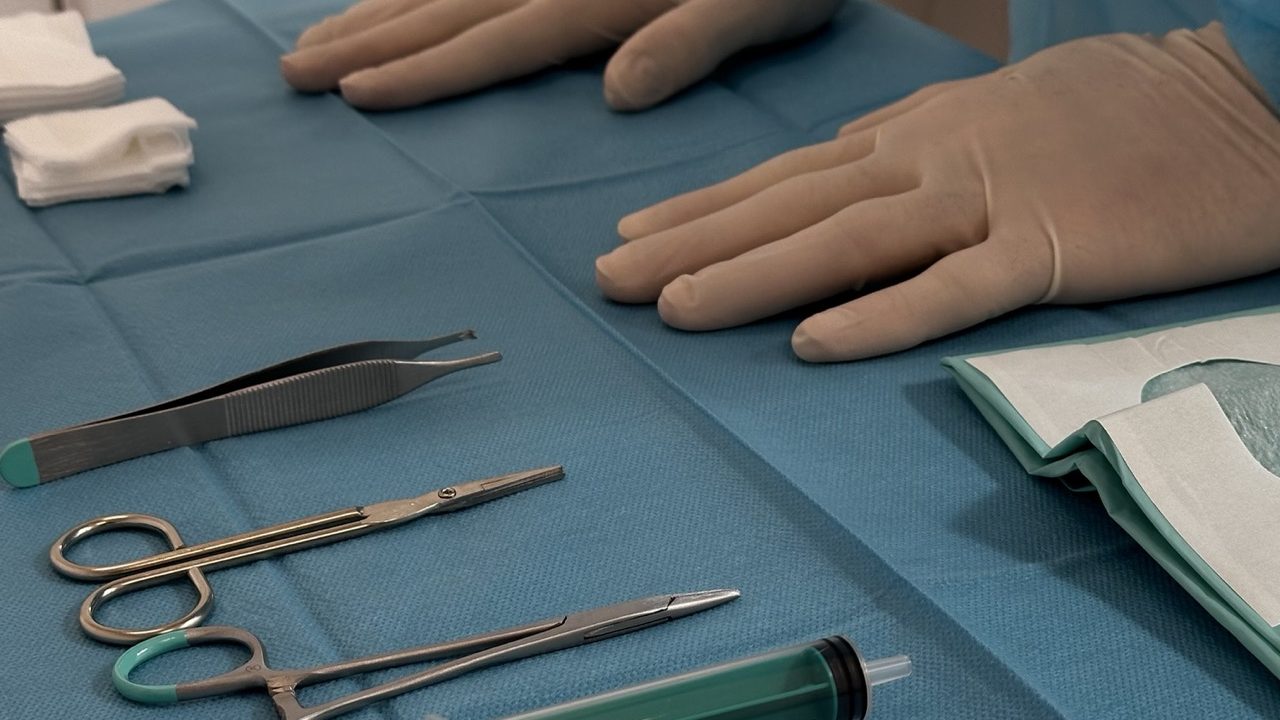
Vacuum aspiration is a safe and commonly used procedure for terminating early pregnancy, carried out under local anaesthetic. During the procedure, the contents of the uterus are gently removed using a specialised medical suction device. The procedure is carried out under local anaesthesia; it is brief, effective and is generally well tolerated.
How long does the procedure take?
- The procedure itself takes around 10 minutes;
- The entire visit to the clinic may take around 30–60 minutes, including preparation and recovery after the procedure;
- In cases of individual needs or additional tests, the time may be longer.
Who is this procedure intended for?
Vacuum aspiration is usually performed up to the 12th week of pregnancy. It is a safe method for most women, but in some cases it may not be recommended (e.g. in the presence of large uterine fibroids or following certain operations). Suitability is assessed by an obstetrician-gynaecologist on a case-by-case basis.
Are there any alternatives?
Up to the 9th week of pregnancy, medical termination of pregnancy may be an option. An obstetrician-gynaecologist will help you choose the most suitable method.
What happens before the procedure?
- Your health, any medication you are taking and the progress of your pregnancy will be discussed;
- An ultrasound scan will be carried out to determine the duration of the pregnancy;
- Blood tests and an STI screening may be carried out;
- The doctor will explain the procedure, the possible risks and answer any questions you may have;
- You will sign an informed consent form;
- Contraceptive options following the procedure will be discussed.
How should you prepare for the procedure?
- Follow your doctor’s instructions;
- Additional tests (e.g. blood tests or an ultrasound scan) may be carried out;
- It is recommended that you do not eat for a few hours before the procedure;
- Bring all available medical records and test results with you.
What happens during the procedure?
The procedure usually takes about 10 minutes. Medication (e.g. non-steroidal anti-inflammatory drugs, anaesthetics, etc.) may be administered before the procedure. The patient lies down on a gynaecological examination chair. A plastic speculum is inserted into the vagina to spread the vaginal walls, allowing the obstetrician-gynaecologist to examine and assess the cervix and surrounding tissues. During the procedure, a thin tube is inserted through the cervix and the contents of the uterus are removed using suction. During the procedure, you may experience mild cramps similar to period pains;
Side effects of the procedure
- Heavy bleeding;
- Infection;
- Uterine damage;
- Scarring.
What to expect after the procedure?
- Abdominal cramping and bleeding similar to a period may last up to 10 days;
- It is recommended to avoid physical exertion and sexual intercourse for a few days;
- Most women return to their normal activities within 1–2 days;
- A follow-up examination will be arranged if necessary.
When should you see a doctor?
- Bleeding that does not subside over time, becomes heavier or is very heavy;
- Discharge with an unpleasant odour;
- Severe or prolonged abdominal pain;
- Fever or chills.
Vacuum aspiration – abortion up to 6 weeks
400 €