
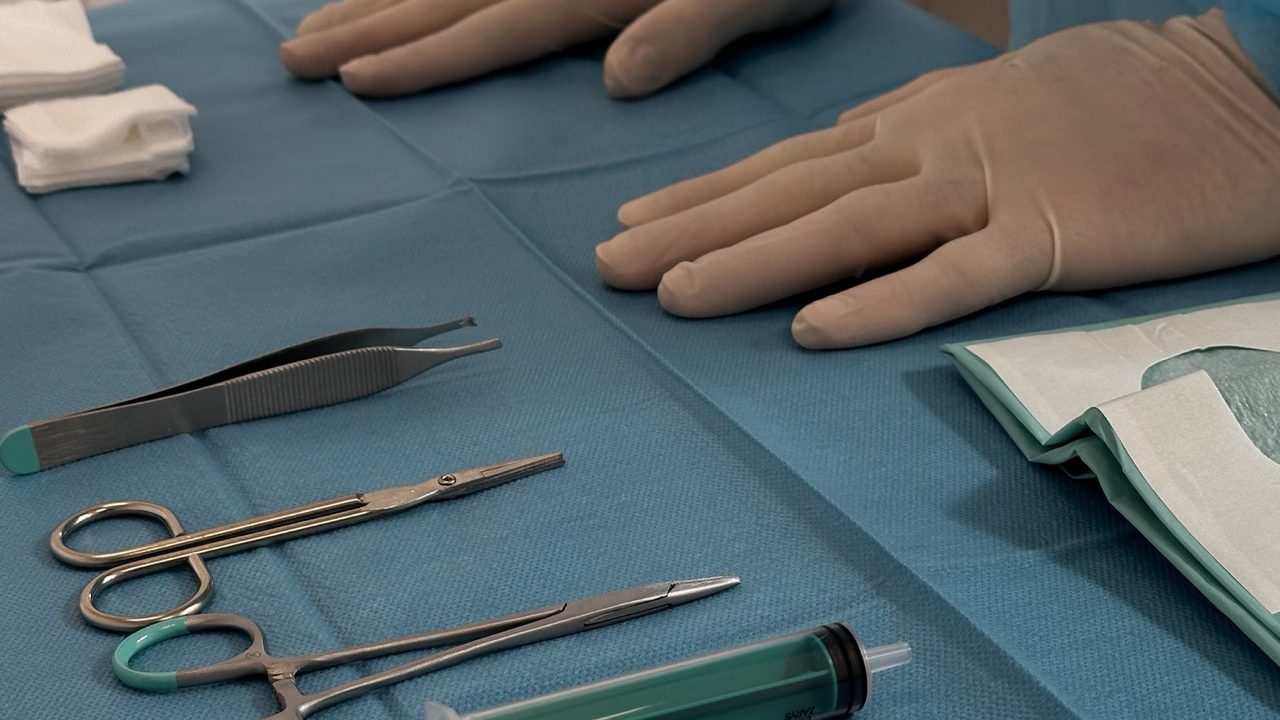
Hymenotomy is a minimally invasive gynaecological procedure involving an incision in or partial removal of the hymen. This procedure is carried out to correct anatomical or functional abnormalities that may cause discomfort, pain or interfere with normal physiological functions. The procedure is quick, safe and usually does not require a long recovery period.
Who is this procedure suitable for?
- The hymen is too thick or too tight;
- You experience pain when using tampons;
- You experience discomfort or pain during sexual intercourse;
- The hymen is not fully open or is completely closed;
- You have difficulty with the discharge of menstrual blood;
- You experience discomfort or a pulling sensation in the genital area.
How should you prepare for the procedure?
Your doctor will provide specific instructions on how best to prepare. It is recommended that you avoid taking aspirin, anti-inflammatory drugs or anticoagulants for one week prior to the procedure, as these may increase the risk of bleeding and bruising. You must also inform your doctor before the planned procedure if you smoke, are taking any medication, or suffer from high blood pressure, blood clotting disorders, endocrine system disorders or eye conditions.
What happens during the procedure?
The patient lies down on a gynaecological examination chair. You will be given a local anaesthetic at the site of the procedure so that you feel no pain and the procedure is as comfortable as possible. A small incision is then made with scissors or a scalpel to remove the excess hymenal tissue. The incision will then be closed with dissolvable stitches. The stitches should prevent any bleeding from the surgical site. The procedure usually takes around 15–30 minutes. You may experience minimal discomfort during the procedure.
What happens after the procedure?
After the procedure, the doctor may monitor you for up to 30 minutes to ensure you do not experience any side effects, including dizziness, nausea or an allergic reaction. The local anaesthetic will not cause you to feel tired or drowsy, so you will be able to drive yourself home.
Post-procedure recommendations:
- Avoid physical exertion for up to 2 weeks;
- Avoid sexual intercourse until full healing has taken place;
- Avoid hot baths, saunas and swimming pools until full healing has taken place;
- Use the medication prescribed by your doctor as required.
Benefits of the procedure
- A quick and effective procedure;
- Restores normal physiological function;
- Improves quality of life;
- Low risk of complications;
- Short recovery period;
- Pain-free sexual intercourse.
Side effects of the procedure
- Temporary pain or discomfort;
- Minor bleeding;
- Infection;
- Scarring;
- Allergic reaction to medication.
FAQs about the procedure
Is the procedure painful?
Thanks to local anaesthesia, you will experience minimal discomfort during the procedure.
How long is the recovery period after the procedure?
The wound healing period depends on your general state of health and your individual healing process. Recovery is likely to take between 1 and 2 weeks after the procedure. During this time, you will be able to carry on with your daily activities, although you may experience some mild discomfort. To promote faster healing and avoid complications, you should follow your doctor’s instructions.
Can I use tampons after the procedure?
Yes, but only once you have fully healed and with your doctor’s recommendation.
When is the procedure not recommended?
- If you have an autoimmune disease;
- If there is skin inflammation at the injection site;
- If you are allergic to any of the drug’s ingredients;
- If you have cancer;
- During a flare-up of a chronic condition;
- If you have MRS, an acute viral respiratory tract infection or other illnesses accompanied by a high temperature.
When should I see my doctor after the procedure?
A follow-up consultation with your doctor is recommended two weeks after the procedure. Your doctor will examine you and discuss the final results with you. Contact your doctor immediately if you experience any of the following symptoms:
- A fever that does not subside with painkillers;
- Purulent vaginal discharge;
- Heavy bleeding;
- A rash or redness in the area;
- Painful urination.
Hymenectomy
240 €